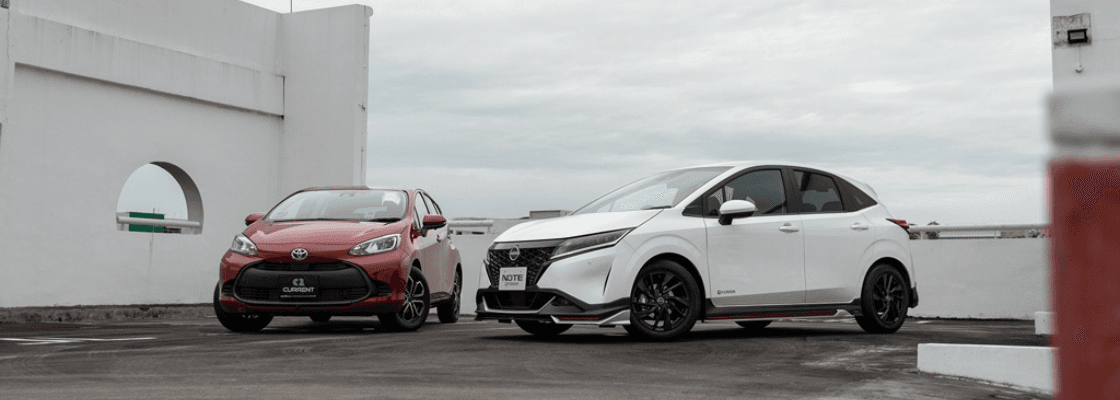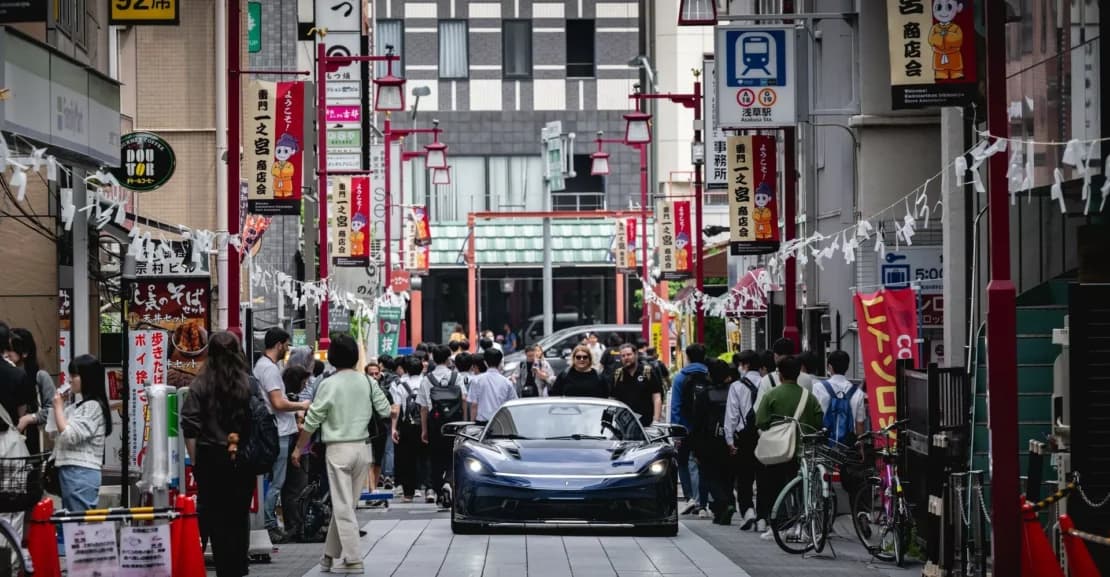

Used vehicle prices in Japan have climbed to record highs, in some cases even surpassing the cost of comparable new models. The surge is primarily driven by prolonged delays in new car production and delivery, forcing buyers to shift their attention to the pre-owned market.
As supply struggles to keep pace with demand, the imbalance is reshaping Japan’s automotive landscape.
A major factor behind the price spike is the ongoing global semiconductor shortage. Modern vehicles rely heavily on chips to power everything from safety systems to infotainment technology, making them indispensable to production.
The shortage has disrupted manufacturing worldwide, drastically limiting the number of new vehicles reaching dealerships. In extreme cases, waiting periods for certain models have stretched to three to four years, creating unprecedented pressure on the market.

This rapid shift has intensified competition among buyers, accelerating price growth and making high-quality pre-owned cars harder to secure.
The combination of restricted new car supply and rising consumer demand has created a seller’s market. Well-maintained, low-mileage vehicles are commanding premium prices, while some nearly-new models are being sold at — or above — their original retail value.
Industry analysts suggest that prices may remain elevated until supply chains stabilize and production returns to normal levels.
For consumers, the current environment requires careful decision-making. Buyers may need to act quickly when they find the right vehicle, while also comparing prices to ensure long-term value.
Despite the higher costs, the used car market remains a practical solution for drivers who need immediate mobility without the uncertainty of extended delivery times.