One of the most common questions we hear at Mattheos Ioannou Motors is: "Should I buy a Japanese import or a European used car?" After 45 years importing and selling cars in Cyprus, we have a clear answer and it is not always the one people expect.
Here is an honest comparison to help you make the right decision.
Japanese imports win.
Japan has a unique car culture. The Shaken inspection system makes it expensive to keep older, high-mileage vehicles on the road, so many cars are exported before they accumulate the mileage you would see on an equivalent European used car.
A 5-year-old Japanese import car typically has 40,000–70,000 km on the clock. A 5-year-old European used car of the same age often has 80,000–130,000 km or more. This difference in mileage directly affects how many years of reliable service you can expect from the car.
Japanese imports win.
Japan's Shaken inspection requires a full vehicle check every two years. Cars must pass strict safety and emissions tests or be repaired before they can stay on the road. This means Japanese domestic market vehicles are consistently maintained throughout their lives not just when the owner feels like it.
European used cars vary widely. Some are well-maintained with full dealer service history. Others have had irregular servicing, oil changes skipped or repairs deferred. Without a full service history, you are buying uncertainty.
Japanese imports win for Cyprus.
The vast majority of Japanese domestic market vehicles are automatic. This suits Cyprus perfectly city traffic in Limassol and Nicosia is stop-start, and automatic cars are simply more comfortable and practical for daily use.
European used cars are more likely to be manual, particularly in the compact and mid-size segments. Manual cars are also harder to sell in Cyprus, where automatic is increasingly the preference.
Japanese imports win.
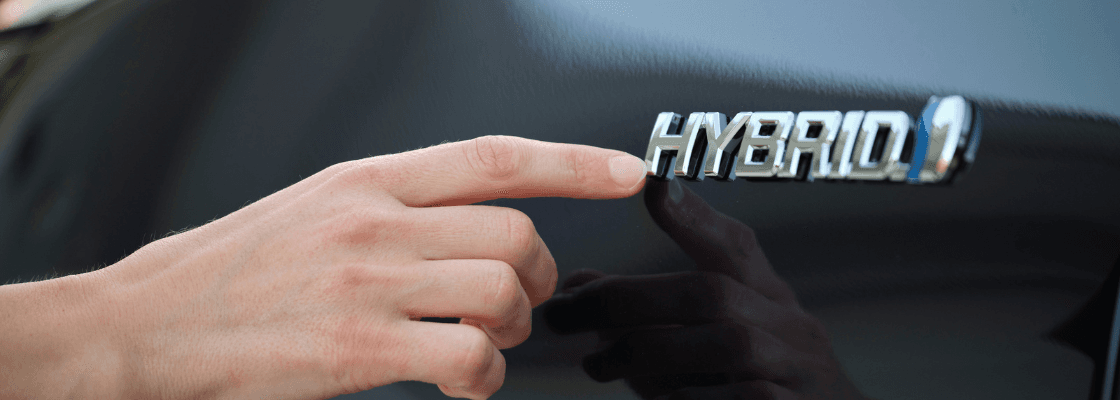
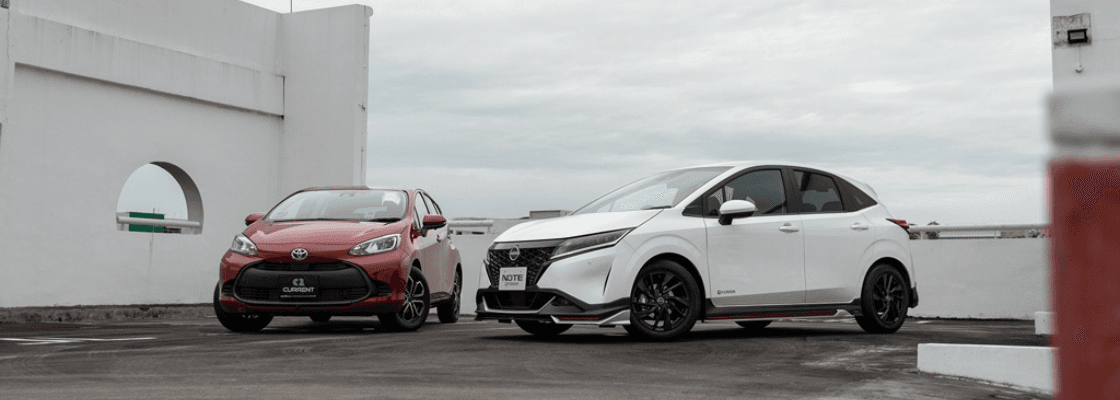
Japan's domestic market has long favoured hybrid and fuel-efficient vehicles. Models like the Toyota Aqua, Nissan Note e-Power and Toyota Yaris Hybrid deliver exceptional fuel economy often 20–30 km/litre in city driving. Equivalent European used cars rarely achieve this unless they are diesel.
European used cars can be cheaper but check why.
European used cars are often priced lower than Japanese imports of the same age. But the lower price usually reflects higher mileage, uncertain maintenance history or wear on consumables (tyres, brakes, clutch). When you factor in likely running costs and repairs, the Japanese import often works out cheaper over 3–5 years of ownership.
This depends on the model.
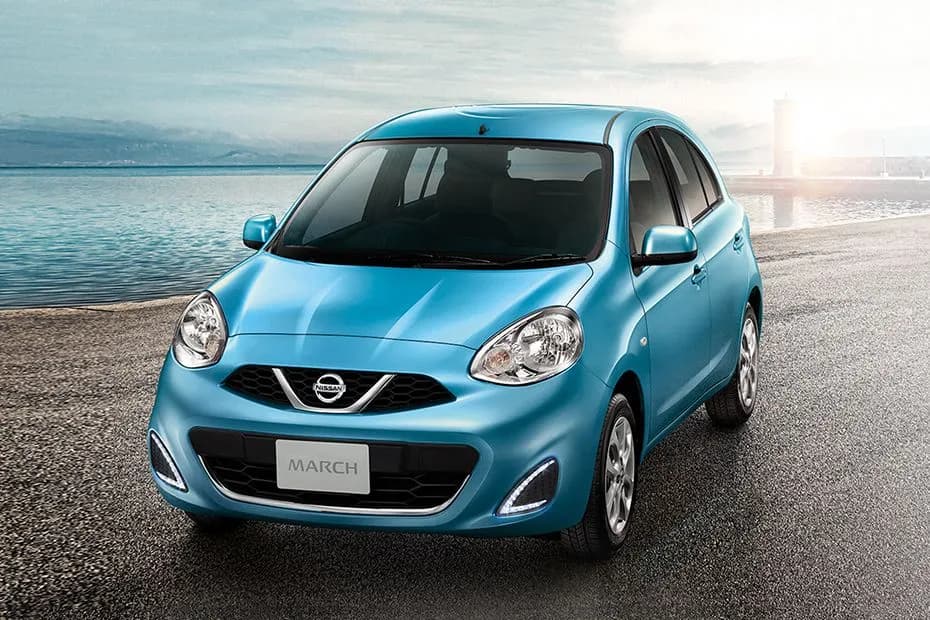
For popular Japanese brands Toyota, Nissan, Mazda parts are widely available in Cyprus and servicing is straightforward. Lexus and Honda are equally well-supported. For some less common Japanese models, parts may need to be sourced from abroad, which can add lead time.
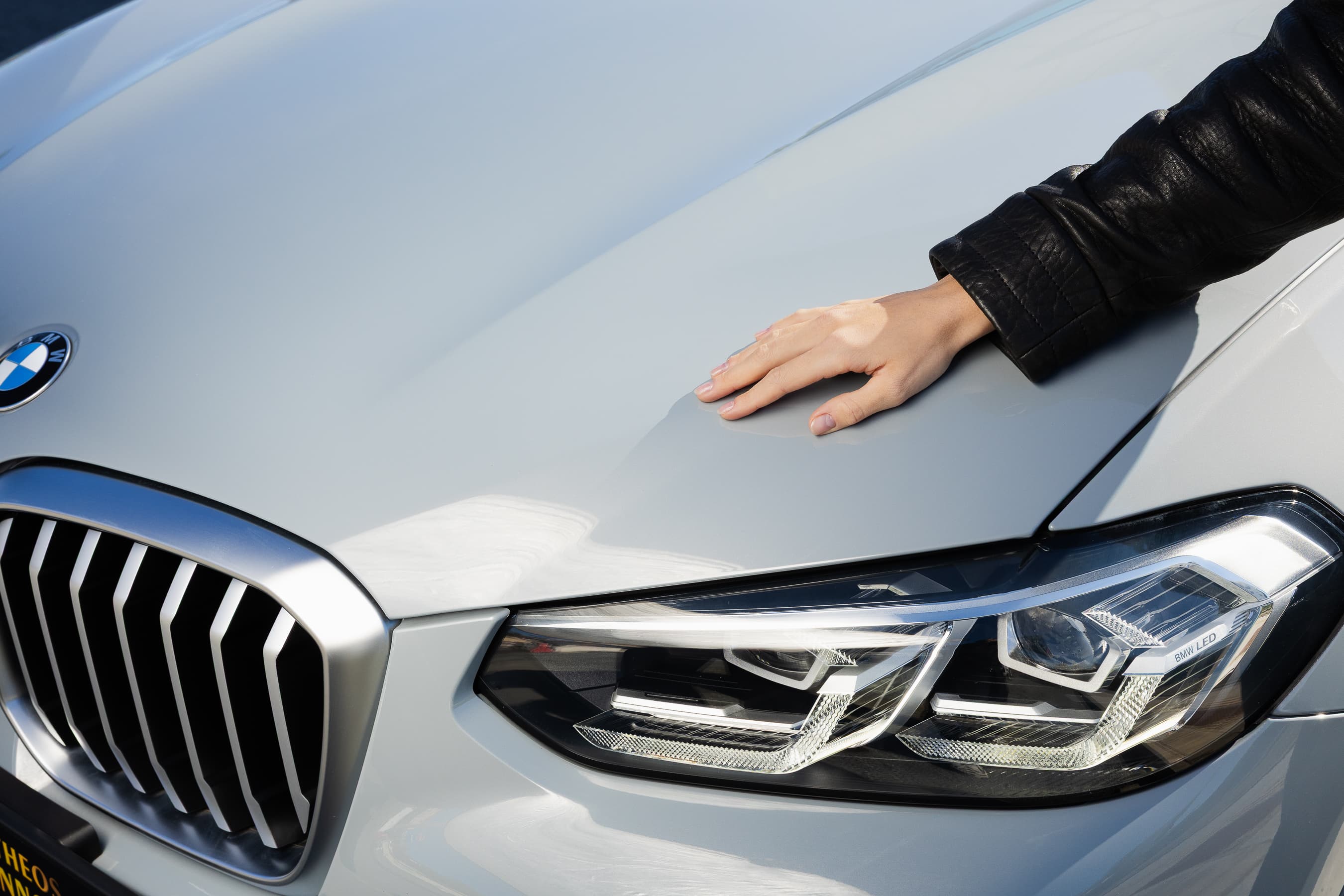
European brands like Volkswagen, Ford and Peugeot also have good parts availability in Cyprus. German premium brands (BMW, Mercedes) can be expensive to service and parts costs are significantly higher.
For most buyers in Cyprus, a Japanese import car offers better value over the full ownership period. Lower mileage, documented maintenance, predominantly automatic and often with hybrid fuel economy these advantages add up significantly over 3–5 years.
The best European used cars are those with a full service history and known provenance. If you are considering a European used car, insist on seeing a complete service record and consider a pre-purchase inspection by an independent mechanic.
We have been importing Japanese cars to Cyprus since 1979. If you have questions about a specific model, mileage range or budget, our Limassol team is happy to advise. Call us on +357 25 399100 or visit our showroom at Elassonos 2, Kato Polemidia, Limassol.