Japan Imports Record Number of Locally Built Cars as Suzuki Leads the Way
Japan is experiencing a surprising shift in its automotive market. Instead of relying solely on domestic production, Japanese automakers are increasingly importing vehicles manufactured at their overseas factories. In 2025, this trend reached a historic milestone, with reverse imports hitting their highest level in nearly 30 years.
A total of 111,513 vehicles built abroad by Japanese manufacturers were imported into Japan, representing a 19% increase compared to 2024. The figure surpassed the previous record of 107,092 units set in 1995, highlighting a significant transformation in global production strategies.
Much of this growth was powered by Suzuki, which dramatically expanded its reverse imports. The automaker brought 43,266 vehicles into Japan, more than seven times its previous volume.
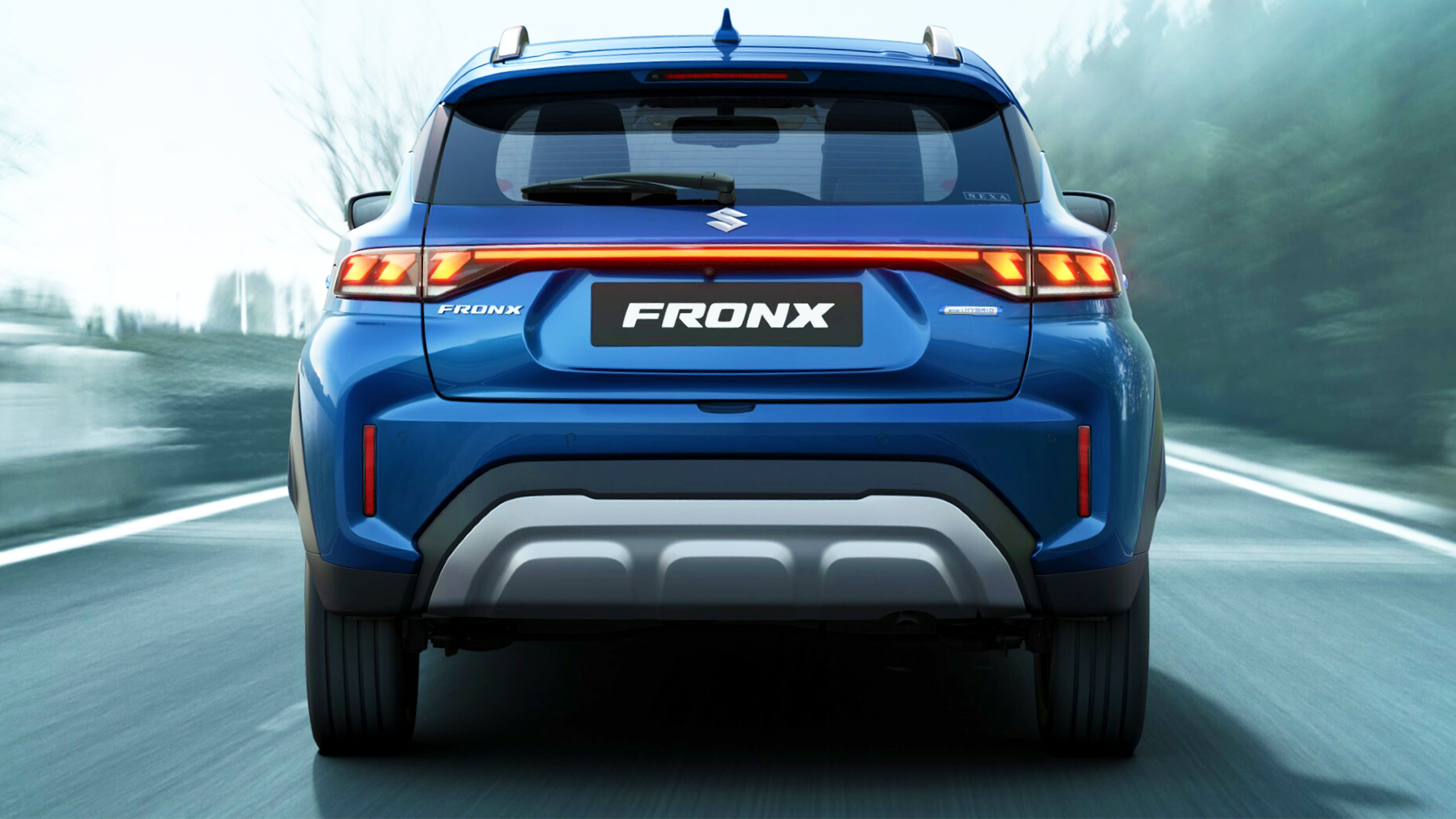
The increase is largely attributed to the domestic launch of the five-door Jimny Nomade, manufactured in India and introduced to meet strong consumer demand. Suzuki is also importing the Fronx SUV from India, further strengthening its lineup in the Japanese market.
While Suzuki accelerated its strategy, several major competitors moved in the opposite direction.
These contrasting strategies suggest that automakers are still evaluating the long-term benefits of overseas production versus domestic manufacturing.
Looking ahead, Toyota is preparing for a strategic shift. The company confirmed that it will begin importing several American-built models into Japan later this year, including:
Toyota stated that the move aims to meet diverse customer needs while supporting stronger Japan–U.S. trade relations.
However, success is far from guaranteed. Pricing will play a critical role, as higher costs could limit demand. Additionally, Japanese buyers traditionally favor compact cars and minivans, meaning larger vehicles like the Highlander may take time to gain traction.
Japan’s growing reliance on reverse imports reflects the globalization of vehicle production. As manufacturers optimize costs and production efficiency worldwide, importing domestically branded vehicles from overseas plants is becoming less unusual — and may soon be a standard industry practice.
If current trends continue, Japan could see even more foreign-built “domestic” models entering its market in the coming years.